Skip to content

Education without borders

Food eases today. Education changes tomorrow.

In development

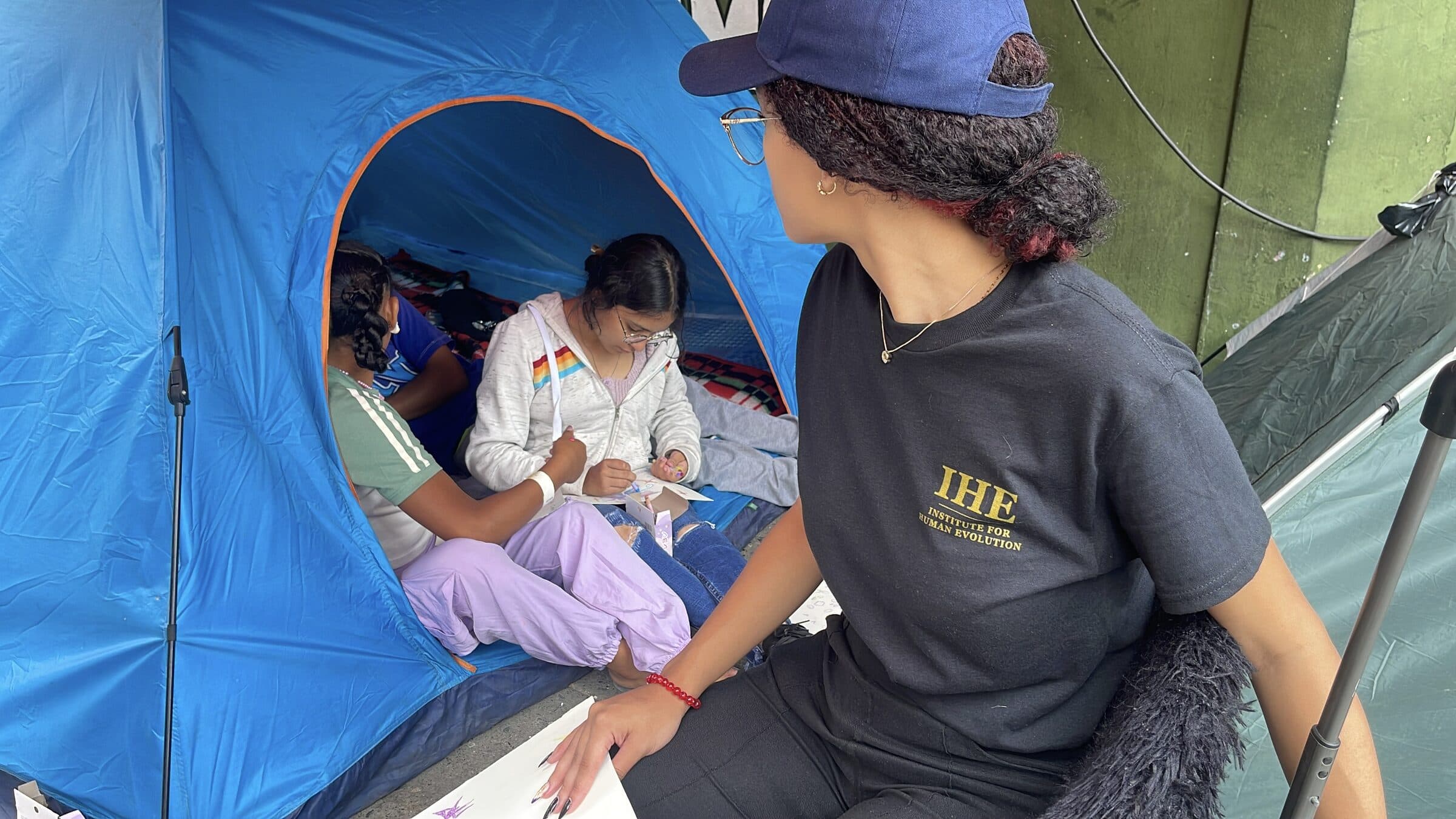
Many of the children now living in tents lost their home and their classroom in the same minute. Relief deliveries answer the first loss. The Learning Centers are how we answer the second.

How the model works

Each Learning Center combines a physical place in the community with a virtual teaching network. Technology is the bridge; human connection stays at the center.

A safe local space

A supervised place in the community, with computers, internet, screens, books, and art supplies, and a steady schedule that gives children routine and belonging.

An international virtual classroom

Volunteer teachers and mentors give live classes from other countries, so a good instructor can teach without waiting to be physically there.

Local coordination

On-site coordinators who know the community supervise the children, stay in touch with families, and keep the program safe and culturally rooted.

Individual development tracking

Over time, the program tracks each student's participation, progress, interests, and strengths, so every child can follow a development path shaped to their age, abilities, and aspirations.

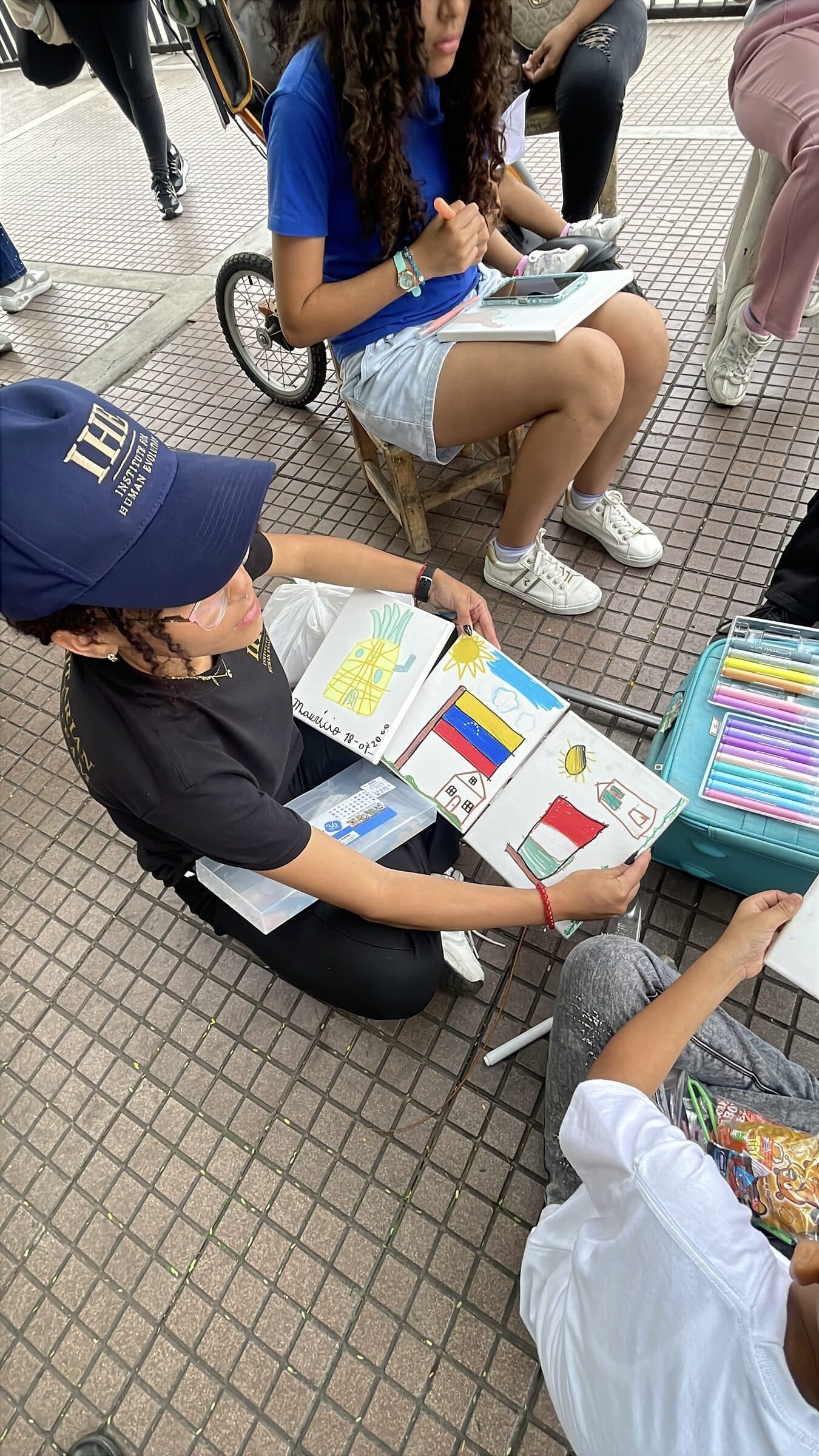
Wide view of an outdoor art workshop: children seen from behind paint canvases around a suitcase of art supplies while families gather in a circle.

The programs being designed

  • Academic support

    Reading and writing, mathematics, and help with homework and study habits.

  • English

    Taught through conversation, games, and stories, because a second language opens doors that stay open.

  • Digital literacy

    From computer basics to responsible use of AI and the media literacy to tell information from noise.

  • Art and creative expression

    Drawing, music, and storytelling that build confidence, imagination, and emotional awareness.

  • Socioemotional support

    Activities that strengthen emotional expression, resilience, and a sense of safety for children living through crisis.

  • Health education

    Hygiene, nutrition, and prevention, in coordination with the IHE Medical Corps.

  • Leadership and personal development

    Confidence, teamwork, goal setting, and learning to make decisions on purpose.

  • Future readiness

    Scholarships, entrepreneurship, and financial literacy, so the bridge reaches past the classroom.

A clear boundary: the Learning Centers are educational. They are not a substitute for licensed medical, psychological, or clinical care. Where that care is needed, IHE coordinates the appropriate referrals.

Where this stands, honestly

The first Learning Center is in development, planned for Venezuela, in the communities the missions already serve. There is no building to show yet. We will publish progress here when it is real, not before.

Teach a class. Mentor a student. Help open the first center.

We are looking for teachers, bilingual instructors, artists, and professionals who can lead live classes or one-time workshops remotely. Everyone who works directly with children is screened, trained, and supervised under IHE's child safeguarding policies.