We study how people grow, and help them do it.
The Institute for Human Evolution is a California nonprofit. We turn research on how people learn, feel, and relate into support they can use: counseling in Spanish, relief after disasters, and programs that train practical skills.
People are not unfinished, broken, or in need of redesign.
The self-help industry runs on deficit: find what is wrong with you, then sell the fix. We think ordinary human development gets less support than it deserves, and that careful research can change that.
One institute, three fronts.
Mental health support
Short counseling sessions in Spanish, by video call, through the IHE Medical Corps. Sign-ups are open; we will write to you with the date of the first talk.
Request counselingCrisis relief
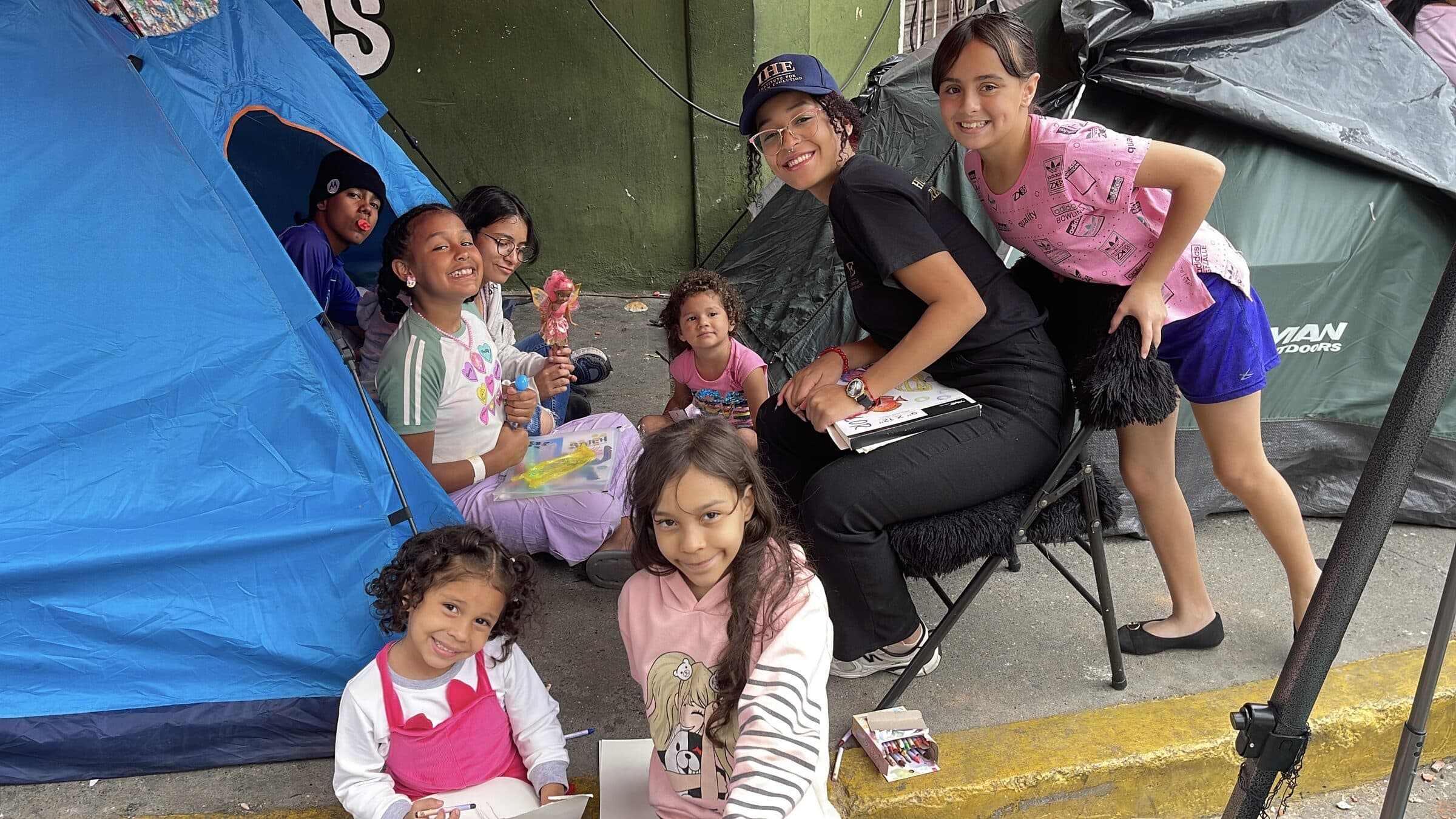
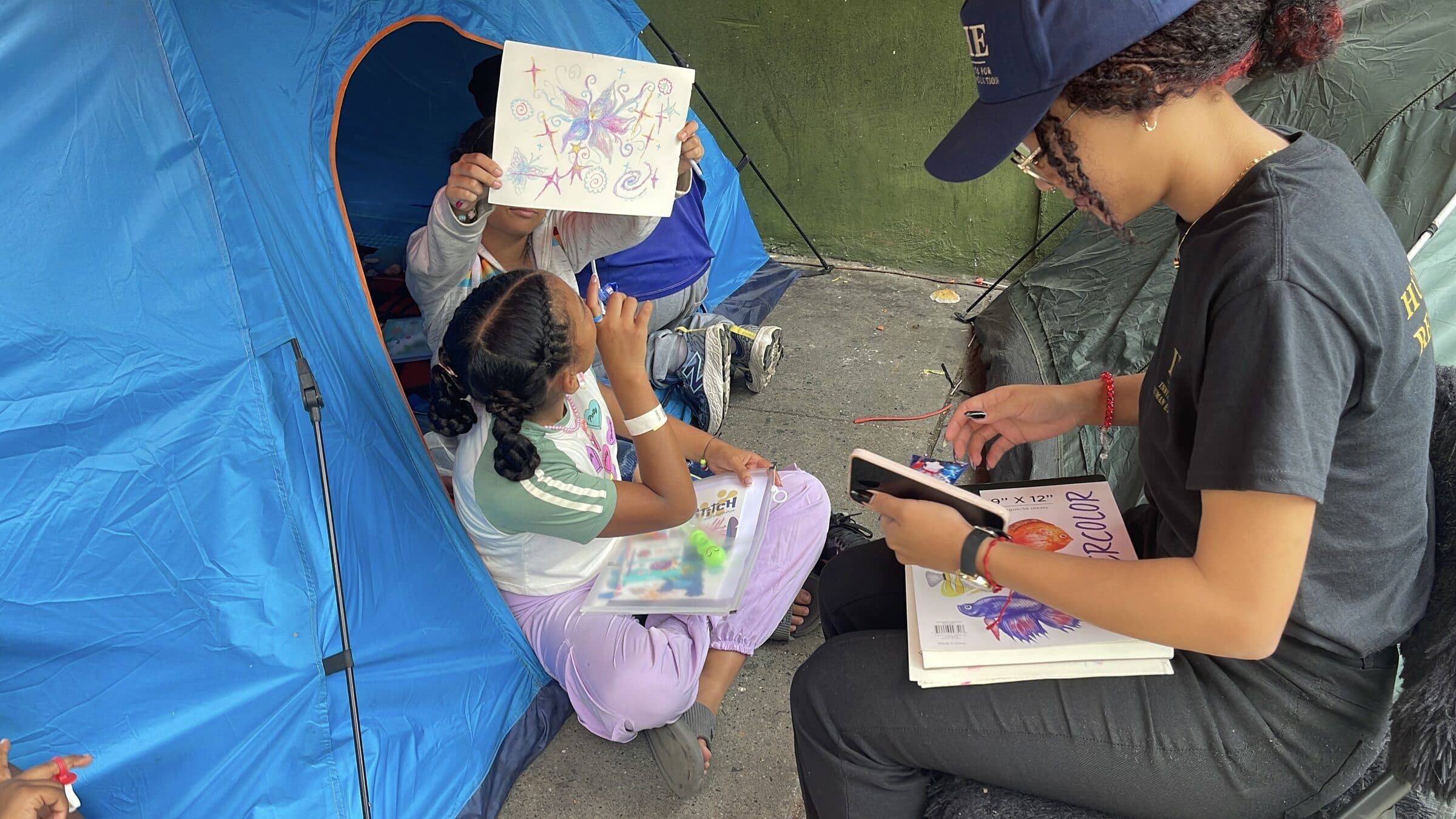
In July 2026 our team spent a week in the camps of Caracas and La Guaira after the earthquake, with food, medicine, and art workshops for the children.
See the Venezuela missionLearning and research
We study how thinking, emotion, and relationships develop, and turn the findings into programs people can practice.
See what we studySee the programs
Seven rules you can hold us to.
Each one is written so you can tell when we break it.
Evidence before claims
Every framework and program rests on peer-reviewed research; the data from our programs will be published in full.
Autonomy first
Someone who completes one of our programs should leave better equipped to disagree with us. We count that as success.
Skills before crisis
We build skills before a crisis arrives. When someone needs treatment, we refer them to licensed clinicians.
Transparency
We will publish the methods, results, funding sources, and limitations of every program.
Ethics with real authority
Our governance gives an independent ethics committee the power to review and stop any protocol or program, and the founder cannot override it. The committee is being formed now.
Cultural humility
A good life looks different from place to place. We study patterns without assuming any one culture holds the template.
Falsifiability
Every claim we make can be tested, which means it can be proven wrong. When one is, tell us.
What we will do, and what we will not.
We publish both lists because the second answers the questions our name tends to raise.
We will
- Conduct original research and publish it, including negative results.
- Run programs whose methods and metrics are declared before enrollment opens.
- Train practitioners in the frameworks we publish.
- Partner with universities and institutions for independent ethical oversight.
- Disclose our funding sources.
We will not
- Make reproductive recommendations of any kind.
- Replace clinical mental health care, or pretend to.
- Take contested political positions.
- Use pathologizing language about the people we serve.
- Put the IHE name on consumer marketing. Anything commercial connected to the founder lives in separate for-profit entities.
Read the research behind the mission.
Four areas of study, three published frameworks, and what each one does not claim.